Before you
notice.
RippleXn sees and hears tiny changes
across thousands of sources.
Your problems are expensive.
The signs are easy to miss.
A different sound. A shifting reading. Something in a video.
You can’t watch everything at once. RippleXn brings the pieces together.
Different worlds.
The same question.
What changed?
Choose a world. Follow the clues.
What changed
in this place?
A tile. Repeat visits. A place with a memory.
Explore the example ↗Place records · sample explorer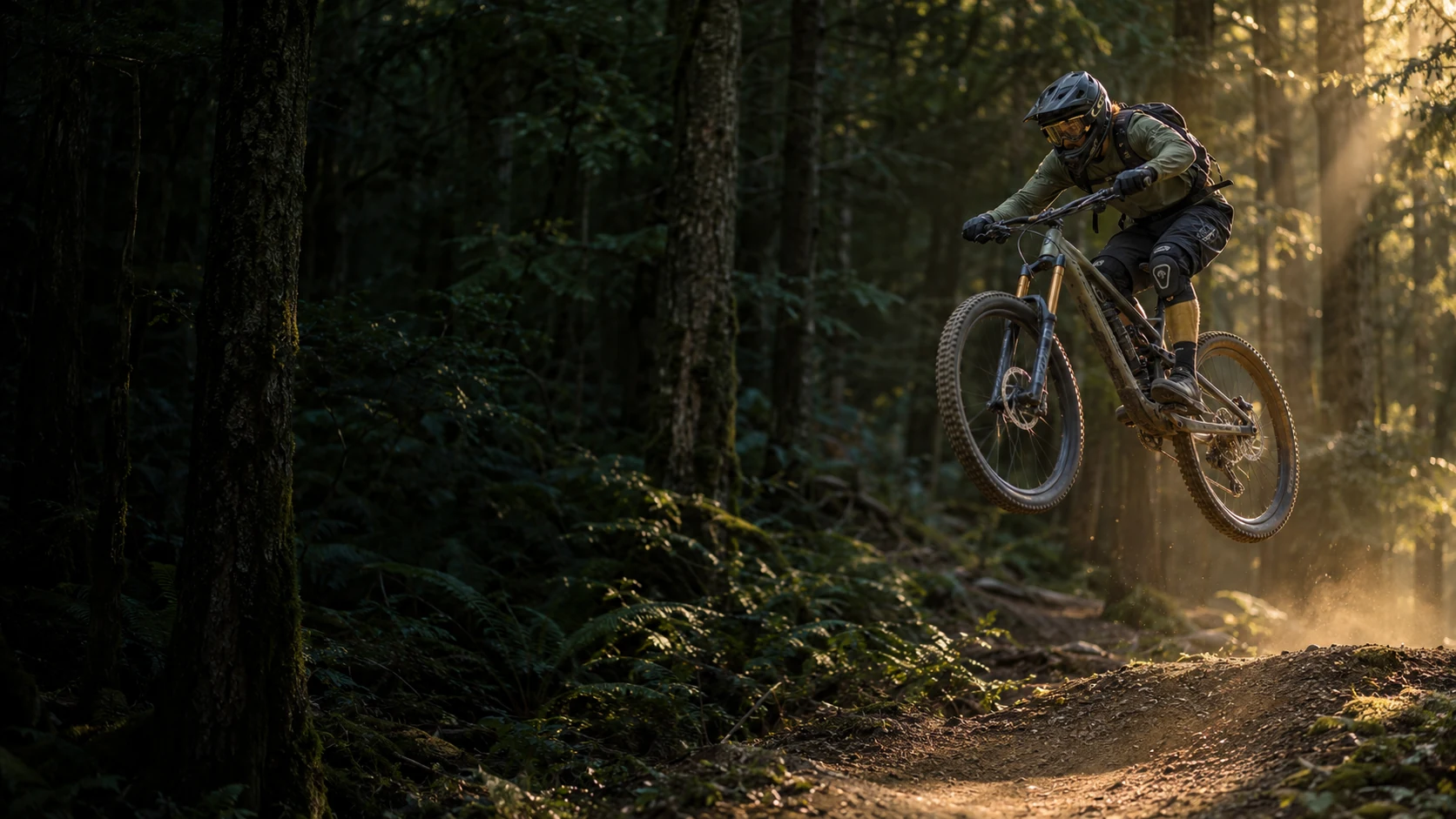
What changed
in that jump?
A ride. A clip. Progress you can look back on.
Explore the example ↗Rider progression · development concept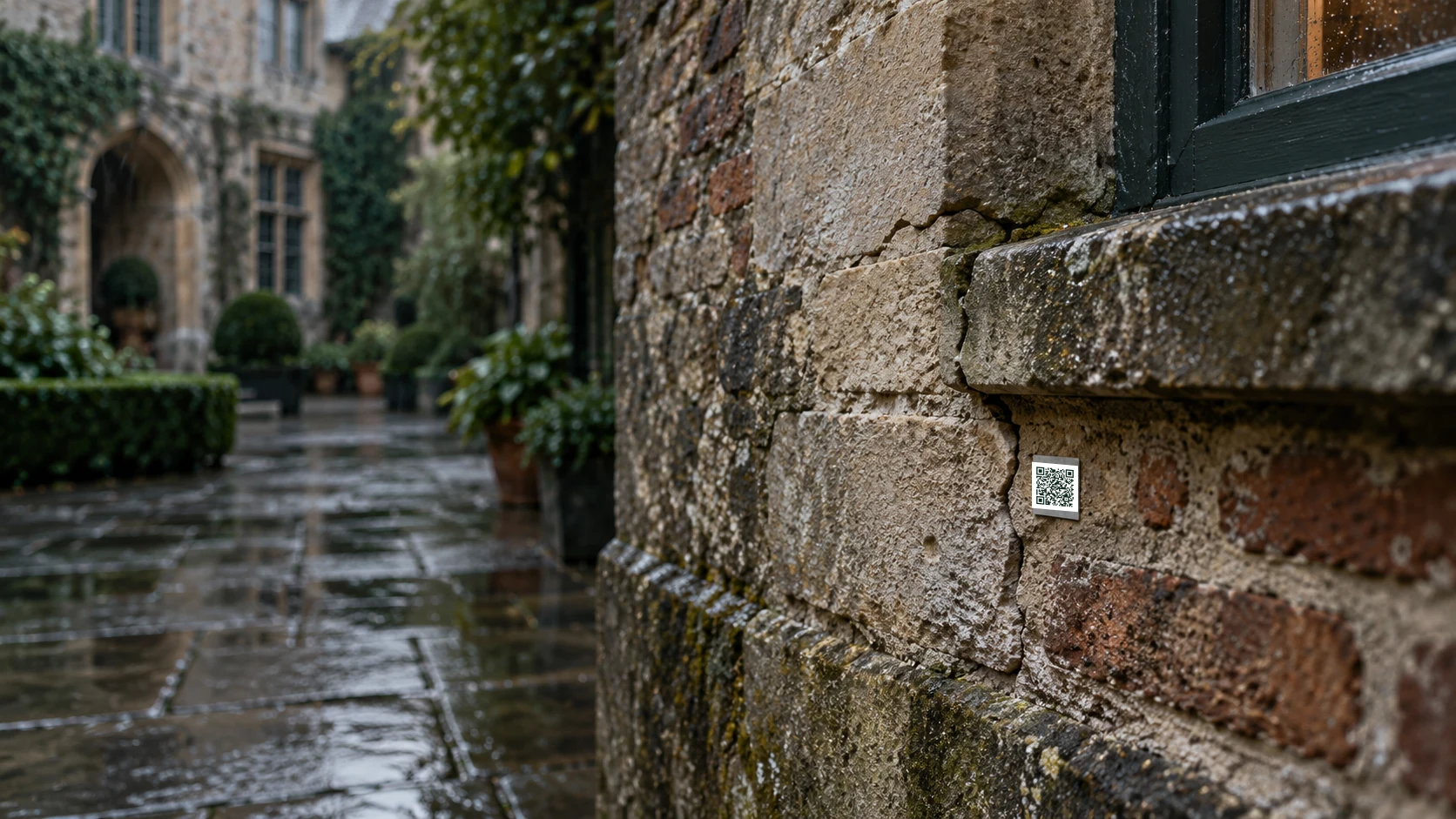
Has that crack
got wider?
One reference point. Its inspections kept together.
Explore the example ↗Repeat surveys · development concept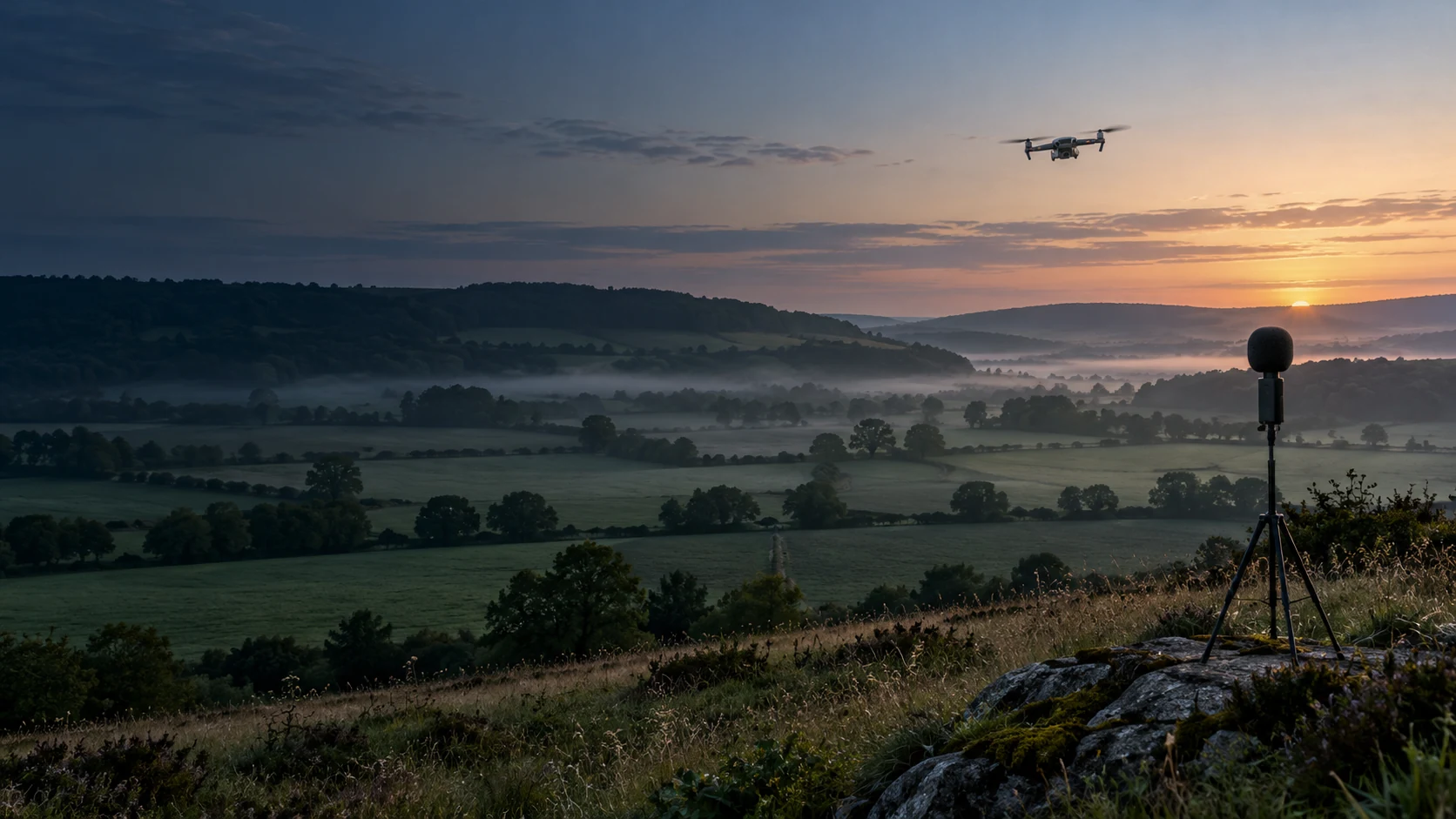
Has the sound
changed?
A flight record. A listening point. Clues together.
Explore the example ↗Flight sound · development conceptThese examples show the direction we are building. Generated scenes and sample readings let you try the idea.
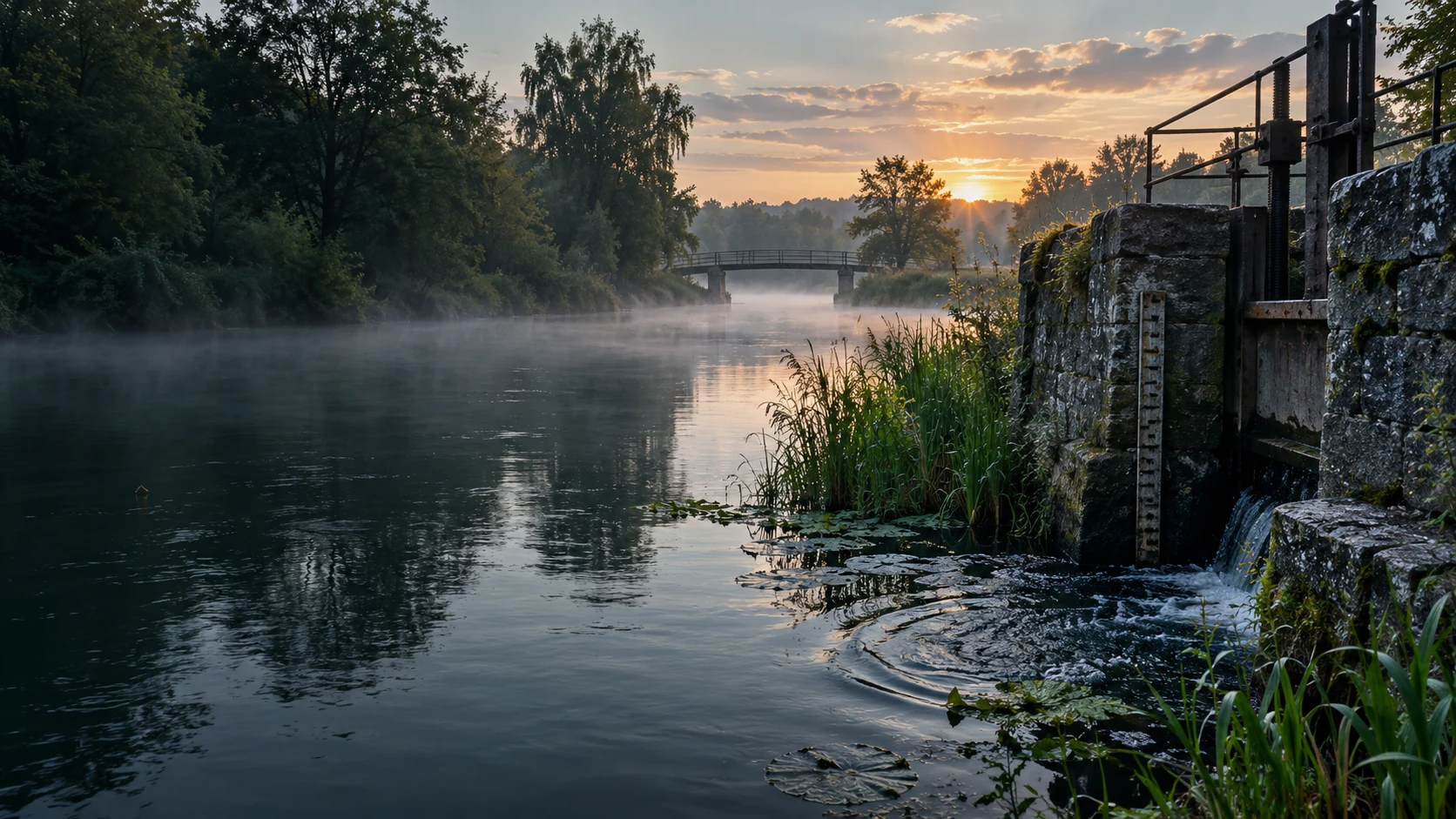
A river changes.
Quietly.
A little rise. A different sound.
A place worth a closer look.
Is the water higher?
The same river, seen again and again.
These are sample clues and drawings. The pictures, sounds and numbers show how the idea works. GeoVeracity and AeroVeracity are development concepts.
See the little clues.
Tap a clue.
See where it came from.
The water-level readings show the direction. Photos, visit records and notes add context. They do not establish the cause.
EXAMPLE ONLYThe world is complicated.
Understanding it shouldn’t be.
We look. We listen. We put the pieces together.
Then we compare before and now.
That’s how we see what changed.
Show something useful.
Then explain.
Edwin Land’s three-year-old daughter asked why she couldn’t see her photograph straight away. Her question helped inspire instant photography.
Our lesson is simple: let people see the result, then explore the clues behind it.
Read the Edwin Land story at MITA DIFFERENT WAY TO SEE.