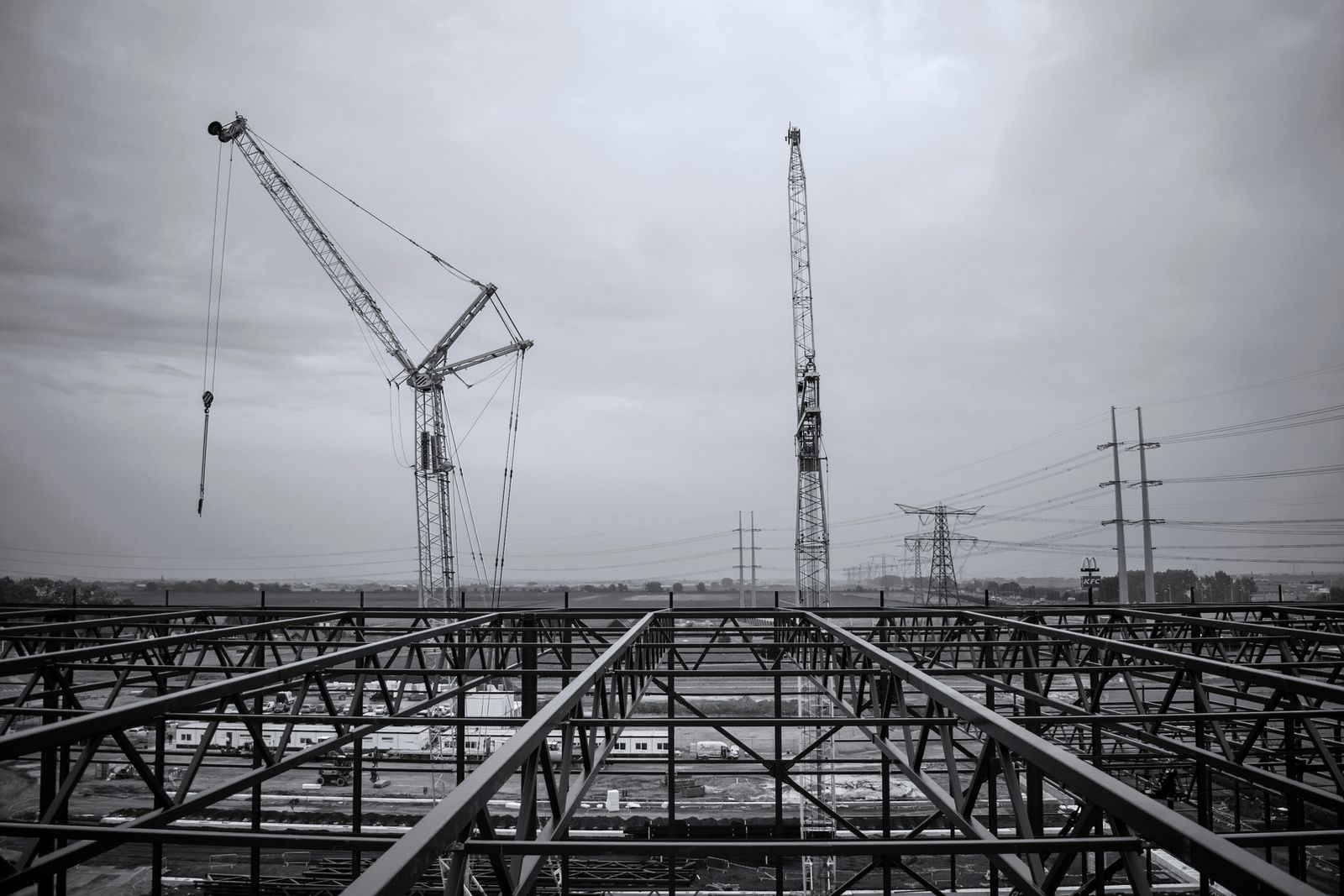
Noise, vibration and recurring disturbance
The average passed. The pattern still made life intolerable.
Averages can miss repetition, tonality, impulsiveness, direction and timing. RippleXn connects the physical event with operating activity, place, weather, human experience and response.
What we investigate
RippleXn records the disturbance as an event rather than a number. What was heard or felt, when, from which direction, during which activity, by whom, and what the organisation did about it.
Why the number and the experience disagree
A resident describes a repeated crack that arrives every few seconds for two hours. The measurement returns an average that sits comfortably inside the condition. Both accounts are accurate. Only one of them describes what the person actually endured.
Averaging is designed to summarise. Disturbance is caused by the things averaging removes: repetition, tonality, impulsiveness, low-frequency content, direction and the hour at which it happens. A compliant average and an intolerable night are not a contradiction.
The second failure is context. Even a well-measured event is hard to act on if nobody can say which machine, movement, shift or piece of plant was running at that moment — or whether the wind was carrying sound towards the receptor rather than away from it.
An illustrative event chronology
Between 20:40 and 22:15 an impulsive pattern repeated at short intervals. The average level for the period remained within the condition. The operating record showed a specific activity running throughout. Wind direction was towards the receptor. Two residents logged reports within that window. The activity was rescheduled the following week and the pattern did not recur. The chronology links the pattern, the activity and the reports; it does not by itself establish a breach.
Illustrative reconstruction. Not a measured RippleXn deployment.
Where a regulatory or planning judgement is required, measurement must be specified, calibrated and reported by an appropriately qualified acoustician. RippleXn builds the chronology around that work rather than in place of it.
What a qualified deployment can produce
- A characterised description of the disturbance, not only an average
- A chronology of the event against operating activity
- Direction or source-location evidence where the deployment supports it
- Weather and receptor context
- Human reports aligned to the measured record
- Alert and response timing
The principal limitations
- Compliance or breach of a condition — that is a judgement for a qualified acoustician and the relevant authority
- Planning acceptability, which requires formal assessment
- Legal causation or liability
Where this problem appears
Open +
- Airports and drone operations
- Ports
- Industrial facilities
- Construction and infrastructure
- Padel and other leisure facilities
- Hospitality and entertainment
- Mechanical plant and equipment
- Residential or mixed-use developments
What the Black Box connects
Open +
RippleXn does not replace appropriately qualified acoustic measurement, planning assessment or expert legal opinion. It connects the physical record with the operational and human record so that all three can be read against one clock.
What this can and cannot establish
Open +
What it can establish
- Whether a disturbance is repetitive, tonal or impulsive rather than simply loud
- When the pattern occurred, and how often it recurred
- Which operating activity coincided with it
- Whether conditions favoured transmission towards the receptor
- Whether human reports align with the physical record
- Whether an operational change reduced the pattern afterwards
What it cannot establish on its own
- Compliance or breach of a condition — that is a judgement for a qualified acoustician and the relevant authority
- Planning acceptability, which requires formal assessment
- Legal causation or liability
- Health effects on an individual
- Anything reliable from measurement that was not properly specified, calibrated and maintained
- The character of an event at a location that was never monitored
Who this is for
- Airports, heliports and drone operators
- Port and terminal operators
- Industrial and manufacturing sites
- Contractors and infrastructure programmes
- Padel, leisure and hospitality operators
- Local authorities and planning teams
A sensible first engagement
Noise and Vibration Evidence-Gap Snapshot
From €1,500
We map what your current records could establish about a recurring disturbance — what is measured, what is missed, and what would be needed to link the pattern to an activity. The output is a defined next step, not an open-ended monitoring programme.
See how engagements workThe second price tag
A qualified measurement costs a known amount. A disturbance that recurs for two years while nobody can connect it to an activity costs the planning condition, the operating hours, the legal advice and the relationship with everyone living nearby.