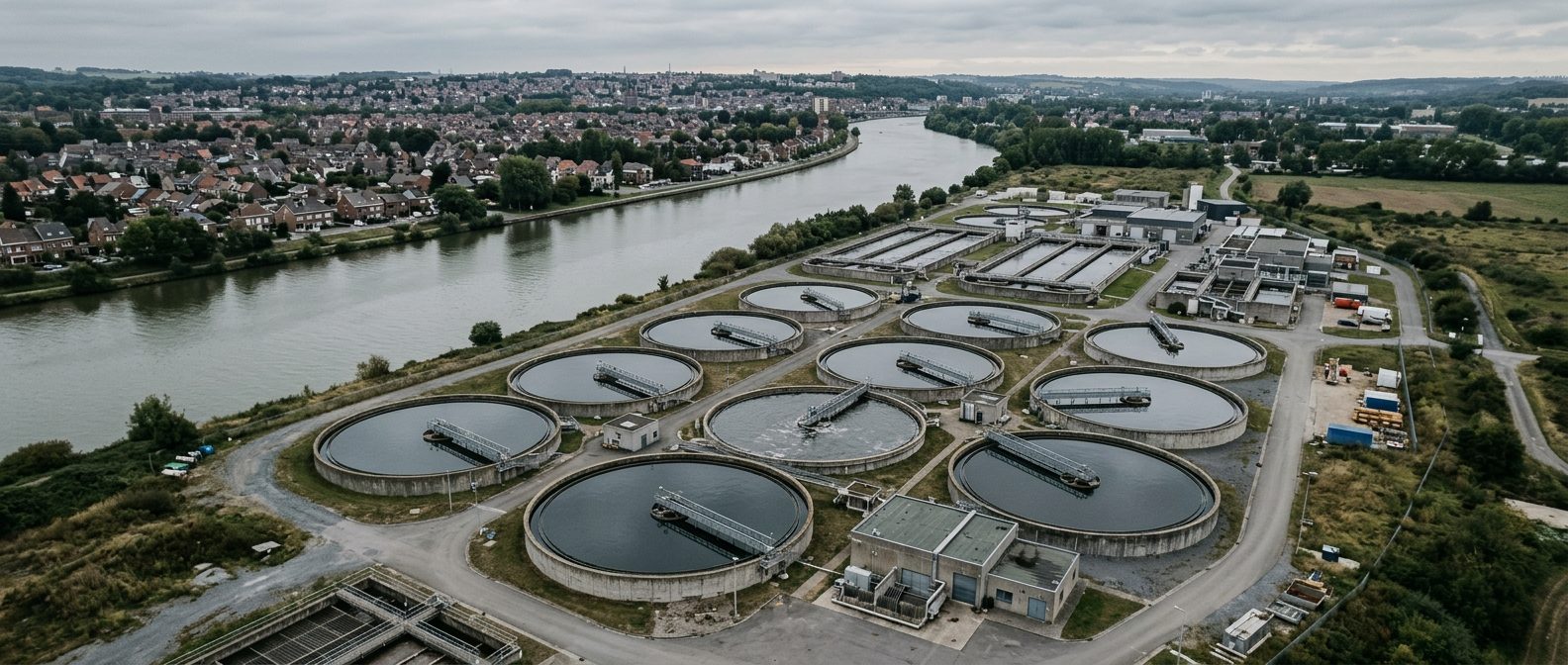
Intermittent odour complaints
The smell has gone. The dispute has not.
RippleXn connects odour and gas measurement, wind, operating activity, human reports and the record of response — so an intermittent event can still be explained after it passes.
What we investigate
We investigate what sits behind recurring odour complaints, which sources are physically consistent with the event, and whether the response returned conditions towards baseline.
The problem as it actually arrives
An odour event is short, directional and weather-dependent. It arrives at one boundary, on one wind, for twenty minutes. By the time a complaint is logged and somebody is sent to look, there is nothing left in the air to measure.
So the argument moves off the evidence and onto reputation. The complainant is certain. The operator is certain. Neither can produce a record of the same twenty minutes, and the regulator is asked to arbitrate between two recollections.
The gap is rarely a missing sensor. It is that measurement, wind, process activity, the complaint itself and what the operator actually did are held in five separate places, on five different clocks, and nobody has ever put them on one.
An illustrative event chronology
At 14:07, an abnormal pattern appeared at the western boundary. Wind connected the event with the unloading area. The relevant operation had begun six minutes earlier. Three reports followed. The operator was alerted, suspended the activity and activated suppression. Conditions moved back towards baseline at 14:31.
Illustrative reconstruction. Not a measured RippleXn deployment.
That is a composite written to show the shape of a chronology, not a deployment RippleXn has run. The value is not the individual reading — it is that the measurement, the wind, the operation, the reports and the response sit on one clock, and that the return towards baseline is recorded rather than asserted.
What a qualified deployment can produce
- A boundary and baseline record for the location
- A chronology of the event, on one clock
- Wind and weather aligned to each reported moment
- Operating and equipment activity for the same window
- Human reports matched to measured conditions
- Candidate sources ranked by physical consistency
The principal limitations
- Legal responsibility, or sole causation, on the physical evidence alone
- The identity of a compound that has not been sampled and analysed
- A source outside the monitored area with no corroborating record
What the Black Box connects
Open +
Instruments are selected for the question and the site. RippleXn evaluates physical consistency and candidate sources. It does not make an unsupported legal determination of sole causation.
What this can and cannot establish
Open +
What it can establish
- That a measurable change occurred, and when it began
- Whether the wind at that hour is consistent with a candidate source area
- Which operations were running during the event window
- Whether human reports align with measured conditions or precede them
- How long elapsed between the first signal and the first action
- Whether conditions moved back towards baseline after the intervention
- Whether the same pattern has recurred at the same location
What it cannot establish on its own
- Legal responsibility, or sole causation, on the physical evidence alone
- The identity of a compound that has not been sampled and analysed
- A source outside the monitored area with no corroborating record
- Intent, or whether an operator knew at the time
- What happened before monitoring began at that location
- A quantified health effect on any individual
Who this is for
- Environmental managers
- Wastewater operators
- Food, waste and industrial sites
- Ports
- Local authorities
- Developers operating near sensitive receptors
A sensible first engagement
Odour Evidence-Gap Snapshot
From €1,500
We map what the site can currently prove about a recurring odour, build a preliminary chronology from what already exists, identify the gaps that matter and recommend proportionate monitoring. It is a defined piece of work with a defined output, not a hardware programme.
See how engagements workThe second price tag
Investigating an odour complaint costs a known amount. A recurring odour that nobody can explain is priced by the planning authority, the regulator and the neighbours — and none of them will consult you first.