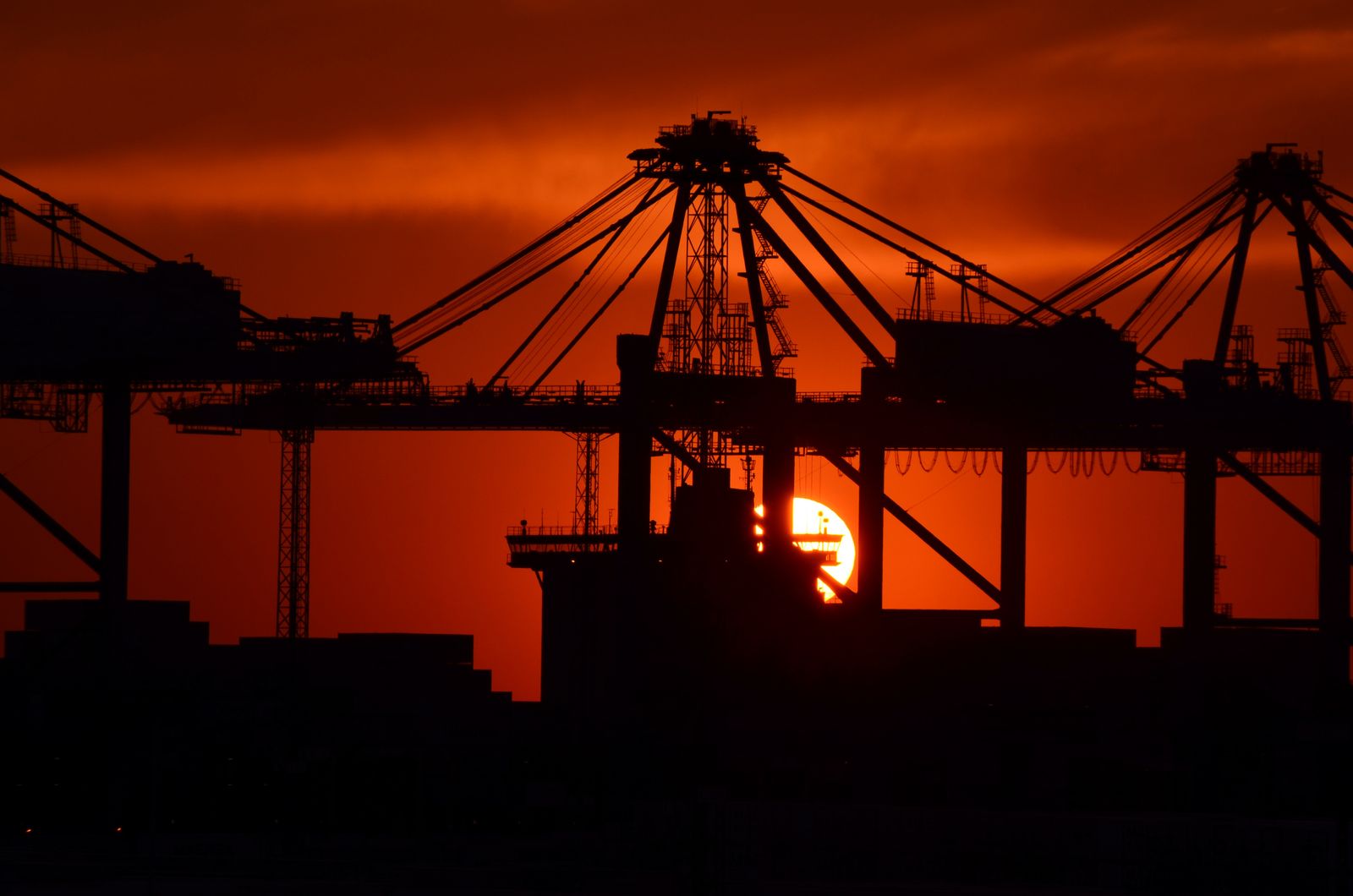
Marine & Ports
One event, across water. A dozen systems, none of them talking.
One environmental event can cross water, air, land and several operators in minutes. The record of it crosses six organisations and never reassembles.
Marine events are difficult to evidence for a structural reason, not a technical one. They move between media, jurisdictions and operators faster than any single system tracks them. Vessel activity sits with one authority, environmental measurement with another, weather and tide with a third, and community reports with nobody in particular. We bring these into one timeline so the event can be described once, in order, rather than argued about in fragments.
The questions that follow
- ?Which vessel or operation coincides with the event?
- ?What was the tide and weather doing at that hour?
- ?Did the disturbance travel through water or air?
- ?Where was it experienced, and by whom?
- ?Does the activity fall inside the consent?
- ?What did the port know, and when?
- ?What response was recorded?
- ?Is this a pattern or a one-off?
One chronology, across every organisation involved.
Connect vessel and landside activity
Place movements, berth operations, plant and road activity on the same clock as the measurement.
Align tide, weather and environmental change
Show the conditions that carried, diluted or concentrated the event.
Preserve one chronology across several operators
Replace six partial records with a single sourced account.
Test which activity fits the event
Assess cargo, dredging, vessel, plant and road activity as more or less consistent with what was measured.
Record the response
What was known, who was alerted, what was done and what changed afterwards.
Support licence and community discussions
Bring an evidence record to the conversation without claiming to determine compliance.
Where this applies
Who this is for
- Port and terminal operators
- Harbour authorities
- Marine construction and dredging contractors
- Shipping lines and agents facing community objection
- Local authorities and environmental regulators
- Legal and technical advisers acting on a port incident
The specific problems we investigate
- Odour attributed to cargo, waste or landside handling
- Noise or vibration from berth, crane, reefer or plant activity
- A water quality change or spill near a berth or outfall
- Dust from bulk handling
- Underwater noise during construction or dredging
- An incident where records must be preserved across several operators
- Whether a mitigation actually reduced the impact
What a qualified deployment can produce
- A single chronology assembled across operators and systems
- Vessel and landside activity for the event window
- Weather, tide and dispersion context
- Community reports aligned to the measured record
- The alert, attendance and response chronology
- Consent and condition context where relevant
- A written statement of anything that could not be established
What the evidence cannot establish on its own
- Legal causation or liability between operators
- Compliance or breach of a consent condition, which is a judgement for the relevant authority
- The identity of an unknown substance without accredited laboratory analysis
- Anything about a location, medium or period that was not monitored
A sensible first engagement
Marine or Port Incident Evidence Pilot
A defined deployment on one incident or one recurring complaint: qualified measurement, vessel and landside activity, weather and tide, human reports and a closing evidence report. Where the question is still open, start with an Evidence-Gap Snapshot from €1,500.
See how engagements workTechnical capability, when the question requires it
Open +
Depending on the question and the validated configuration, a deployment may connect the following.
Not every deployment includes every parameter. The configuration is decided by the question, the site and what can be validated.
The second price tag
Assembling marine evidence is a bounded cost. A contested licence, an organised objection, or an enforcement action is not.